












Self-Sustained Buyer Account Review is an important method for sellers to improve product performance. Simply put, sellers simulate real consumers to register, maintain, and operate a group of independent buyer accounts.
The ultimate purpose is to place orders on their own products, leave positive reviews, mark reviews as helpful, or increase product rankings through keyword searches and click-through behavior.
This article explains how to build an effective eBay self-sustained buyer account system and provides a practical operating guide to help sellers steadily improve account credibility and performance, gaining more exposure and sales opportunities.
I. Why Does eBay Require Self-Sustained Buyer Account Reviews?
On highly competitive platforms such as eBay, Amazon, and TikTok Shop, new products struggle to gain algorithmic exposure without initial weight. Self-sustained buyer account reviews mainly address the following issues:
Improving conversion rate (CR): Consumers are more likely to purchase products with image-based reviews.
Capturing search traffic: Orders placed through keyword searches help improve ranking in search results.
Diluting negative feedback: When stores encounter malicious negative reviews, self-sustained accounts can quickly supplement positive reviews to stabilize ratings.
Reducing costs: Compared with paying high commissions and product costs to intermediaries for each order, a mature self-sustained system significantly lowers long-term per-order costs.
To make platform systems recognize these accounts as “real U.S. or UK shoppers,” the following requirements must be met.
II. How to Build an eBay Self-Sustained Buyer Account System
Building a stable self-sustained buyer account system is key to maintaining account health and avoiding bans. Through the steps below, sellers can effectively warm up accounts, increase account weight, and accumulate credibility for long-term stability.
- Registration stage
Before registration and account warming, it is essential to ensure a clean network environment. eBay monitors multi-account associations through device fingerprints such as IP address, browser cookies, time zone, and fonts, mainly from two aspects:
Core hardware environment: Traditional virtual machines (VMware) or VPS can no longer pass eBay’s advanced detection. The standard configuration in 2026 is to use an Anti-detect browser.
Network layer: If multiple accounts share one IP or use low-quality data center IPs, accounts will be instantly linked.
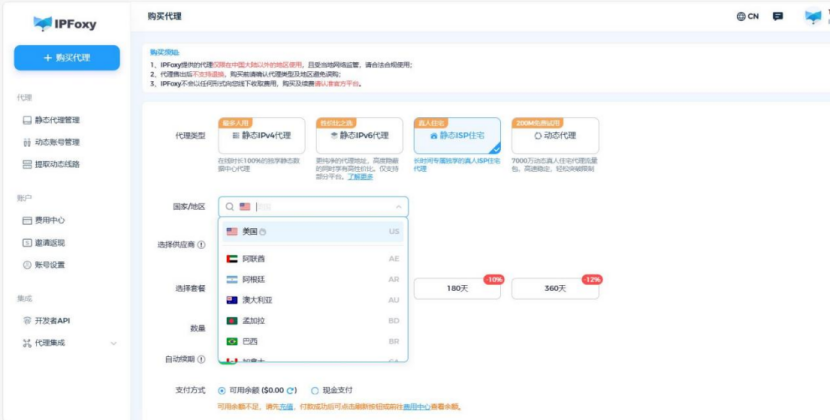
It is generally recommended to build a multi-account environment using an Anti-detect browser combined with a residential proxy. At this stage, frequent IP changes can easily trigger CAPTCHA challenges or direct bans. Clean, real residential proxy resources from IPFoxy are suitable, using one account per IP. Static residential proxies are preferred, while rotating proxies or shared IPs should be avoided during registration.
Payment layer: Payment association is the most common cause of mass account bans. Avoid widely exposed public card ranges. In 2026, using niche, higher-threshold virtual card ranges can increase account survival rates by over 40%.
Registration information layer:
Email: Outlook or Gmail is recommended. Email domains such as .cn or temporary email providers are often flagged as high risk.
Address: Use Google Maps to locate real residential addresses, avoiding commercial areas and fulfillment warehouses. eBay maintains a blacklist of known warehouse addresses.
Phone number: Use real SIM-based verification services. Virtual numbers are highly likely to trigger risk verification.
- Early account stage
Simulate real buyer behavior: Avoid frequent purchases or bulk listings at the beginning. Log in daily to search, browse products, add items to cart, and follow sellers to simulate natural usage. After 1–2 weeks, start placing a small number of low-risk orders to build transaction history.
Gradually increase order value and frequency: Start with low-risk, high-demand products. Prices should remain moderate to reduce post-sale disputes. As credibility grows, gradually increase order value and volume to improve exposure and sales.
Accumulate positive feedback: Provide fast shipping and responsive customer service. Actively encourage positive feedback to enhance account credibility. Respond promptly to inquiries and resolve after-sales issues to avoid negative ratings.
Follow platform rules: Strictly comply with eBay policies, avoiding misleading content or abuse of refund systems. Refrain from frequently modifying account information or listing large volumes of products in a short time to prevent triggering risk controls.
- Mid-to-late account stage
Reasonable review order placement: To improve exposure, sellers can supplement orders through reviews. Select products with real demand and design structured review plans. Use legitimate payment methods and ensure reviews remain authentic, avoiding excessive reliance on a single review pattern.
Optimize listings and keywords: Effective SEO improves ranking in eBay search results. Choose accurate keywords, ensure relevance, and continuously optimize listings to enhance competitiveness.
Gradually improve account weight and health: As performance improves, increase listing volume and pricing progressively. Use eBay promotional tools to boost exposure. Stable operations and positive reputation help unlock additional platform support.
Handle transactions and disputes promptly: Regularly review transactions to ensure no unresolved disputes. Maintain proactive communication with buyers to prevent negative feedback or account penalties.
III. Summary
Successful eBay self-sustained buyer account operations depend not only on account setup, but also on ongoing maintenance and risk management. Reasonable account warming strategies, consistent positive feedback, and strict compliance with platform rules are essential to maintaining account health and stability while avoiding unnecessary ban risks.