











In the world of global marketing platforms, Snapchat has evolved beyond just a simple app for young people to share photos. It is now a powerful platform for brands to connect with younger audiences and build close-knit communities. Snapchat attracts a large number of active users, driving brand awareness and conversions. This article explores how to use Snapchat marketing to promote your brand, boost traffic growth, and empower your products.
I. What is Snapchat?
User Base:
Snapchat’s primary user group is aged between 18-34, especially focusing on young people and millennials. Users frequently engage with Snapchat to interact with friends, family, and brands.
Use Case:
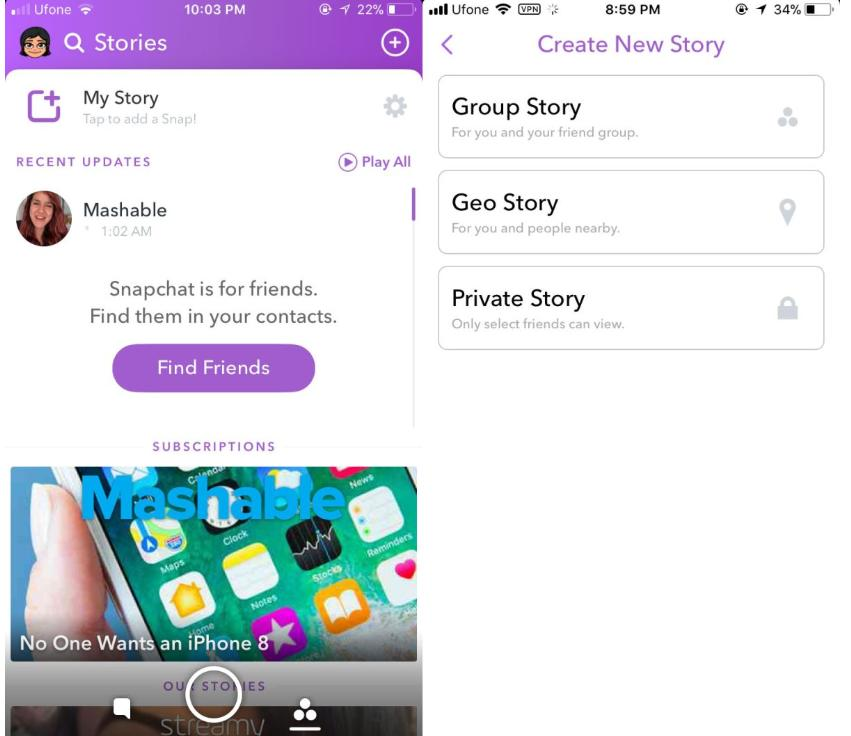
Originally designed for instant messaging, photo, and short video sharing, Snapchat is ideal for quick and private interactions between users. The platform’s “Stories” and “Ads” features offer brands innovative advertising formats, making it well-suited for promoting new products and ads.
II. 7 Essential Snapchat Marketing Strategies
Step 1: Refined User Targeting
- Identifying Potential Users:
Leverage Snapchat’s Lookalike Audience feature to discover potential users who resemble your existing high-value customers.
Use Geofilters and Geotargeting to trigger personalized ads when users are near your store or event, offering time-limited promotions.
Implement Location-based targeting to focus on users in specific areas or those who frequently visit certain locations. - Analyzing User Interests:
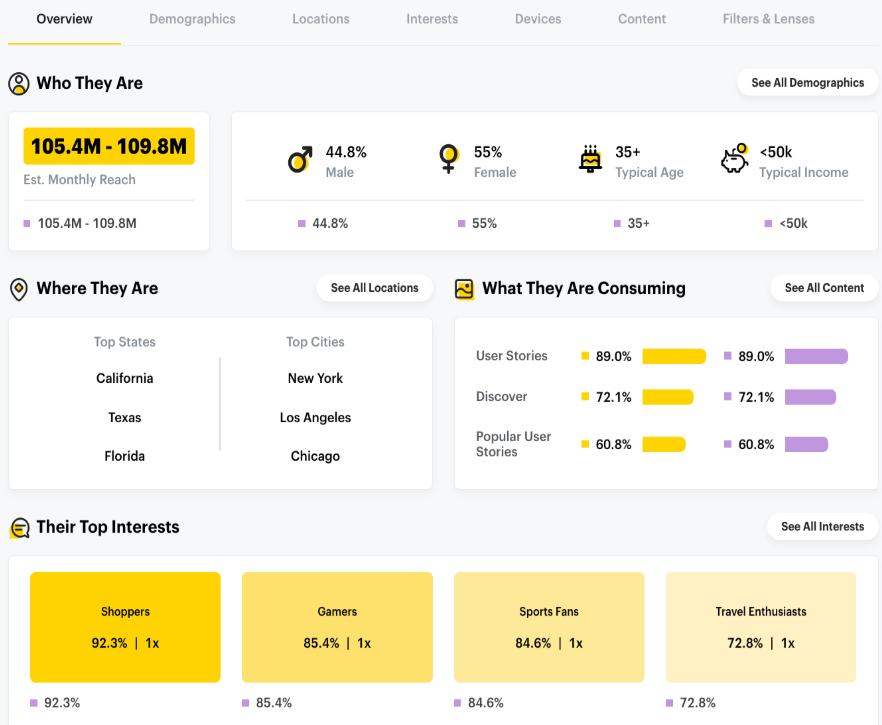
Utilize Snapchat’s Audience Insights to deeply analyze user interests, such as favorite brands and content they engage with, to tailor your ad content more accurately.
Automatically adjust target audiences based on ad interaction data, conducting real-time A/B tests.
Step 2: Content Marketing Mastery
- Creative Content Production:
Use Snapchat Lenses and AR Ads to create highly interactive content. Enable users to engage with the content, like virtual try-ons or interactions with your brand logo.
Post Snapchat Stories that engage users through continuous, captivating narratives. - Localized Marketing:
Create localized content, aligning with local holidays, weather, or trends to better connect with audiences’ emotions and lifestyles.
Encourage user-generated content by hosting a #Hashtag Challenge to inspire users to share their own Snap stories and increase social interactions.
Account Localization:
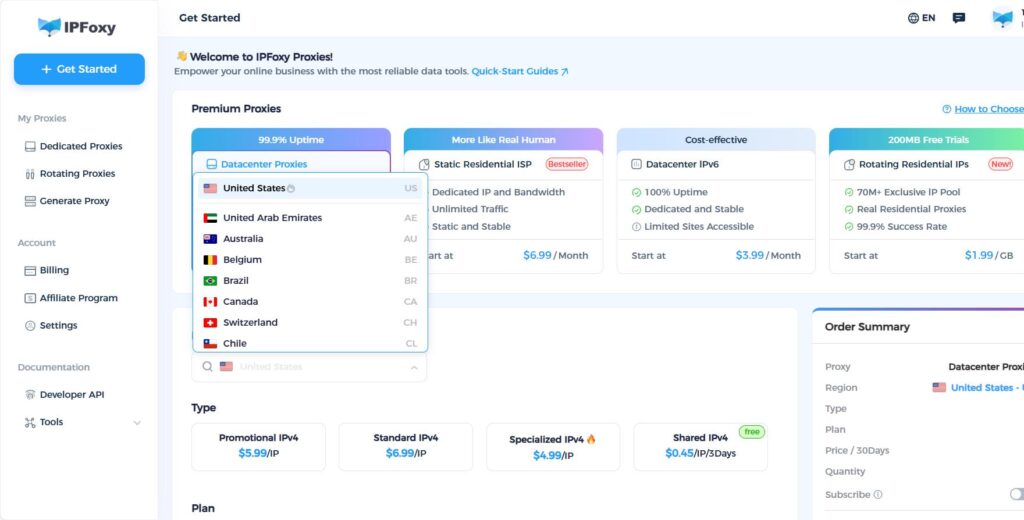
Ensure your Snapchat account maintains a unique and authentic network environment. Tools like IPFoxy can offer genuine local residential IPs, allowing your Snapchat account to accurately target users in specific regions. This helps ensure your content is pushed to the right audience, boosting local exposure, engagement, and video performance.
Step 3: Precise Advertising
- Choosing the Right Ad Format:
Select the appropriate ad format based on your campaign goal, such as Snap Ads, Story Ads, Filter Ads, or Lenses Ads. Story Ads are ideal for increasing brand awareness, while Lenses and Geofilters are better for driving interaction. - Refining Ad Targeting:
Utilize Snapchat’s targeting features (age, gender, interests, behaviors, etc.) to ensure ads are shown to the most relevant audiences.
Use Re-targeting strategies to show ads to users who have already interacted with your brand, increasing conversion rates. - Dynamic Ads & Automated Campaigns:
Use Snapchat’s Dynamic Ads to create personalized ad content based on user behavior and data analysis, ensuring each user sees a customized ad.
Implement automation tools to adjust ad budget allocation based on performance, optimizing cost-efficiency.
Step 4: Multi-Account Streaming
While Snapchat allows multiple accounts, a key limitation is that only one account can be active on a single device at a time. Switching accounts requires logging out and logging in again, which is time-consuming and risky. It could also be flagged as suspicious by Snapchat’s security algorithms, leading to the potential suspension of linked accounts.
To manage multiple accounts effectively, isolate them in two ways:
IP Isolation:
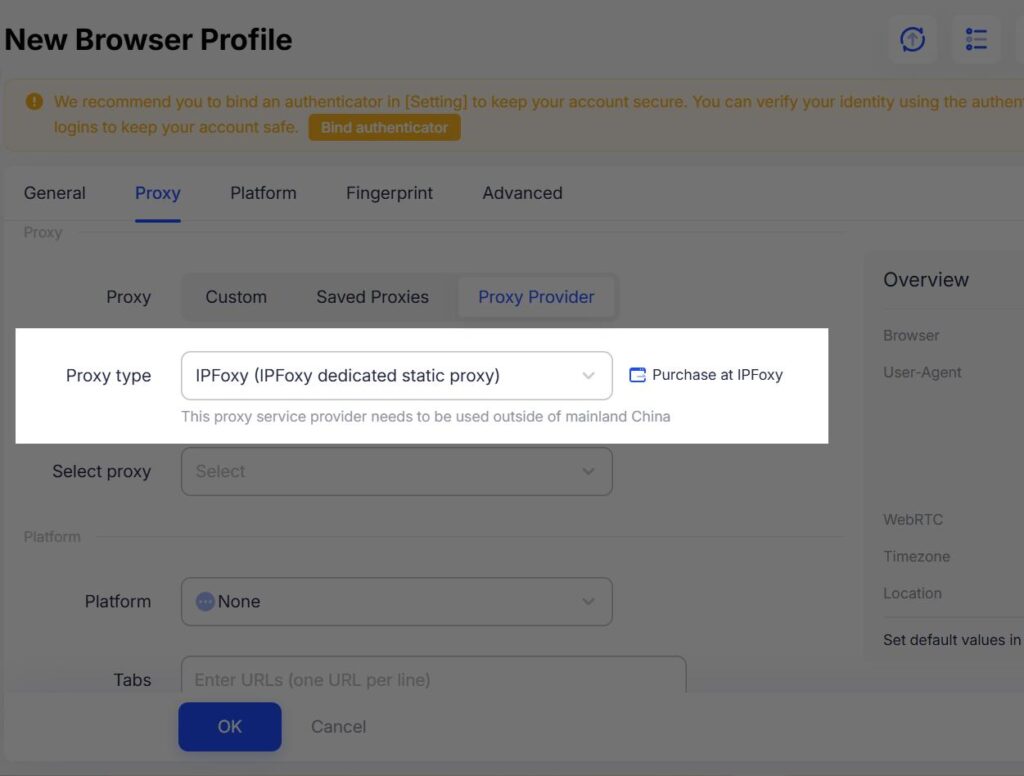
Use a dedicated static residential proxy like IPFoxy, which provides unique residential IPs to avoid public IP associations, ensuring each account is separate and preventing high-risk blacklisting issues.
Device Isolation:
Along with IP isolation, combine this with an Anti-detect browser to create a full isolation environment, making sure each account is linked to a unique IP, device, and browser fingerprint.
Step 5: Influencer Traffic
- Collaborating with Influencers:
Partner with Snapchat influencers whose brand image aligns with your target audience.
Use Snapchat Creator Marketplace to find suitable content creators and plan long-term collaborations with them.
Design limited-time campaigns with influencers to create urgency among users. - Incentivizing Shareable Content:
Encourage influencers to promote your brand using Snapchat Stories and Snap Ads, motivating them to have their followers share content.
Offer a reward system where influencers receive commissions or product rewards for driving a certain amount of traffic or sales.

Step 6: Cross-Industry Marketing
- Collaborating with Cross-Industry Partners:
Select compatible partners for joint marketing campaigns, as cross-industry collaborations can help both brands reach new audiences.
Host online and offline events, integrating Snapchat Lenses and Geofilters to add creative elements that attract more users. - Cross-Platform Integration:
Coordinate Snapchat marketing efforts with other platforms like Instagram and YouTube, promoting the same event across multiple platforms to expand your reach.
Step 7: Data Optimization & Analysis
- Real-Time Monitoring & Strategy Adjustments:
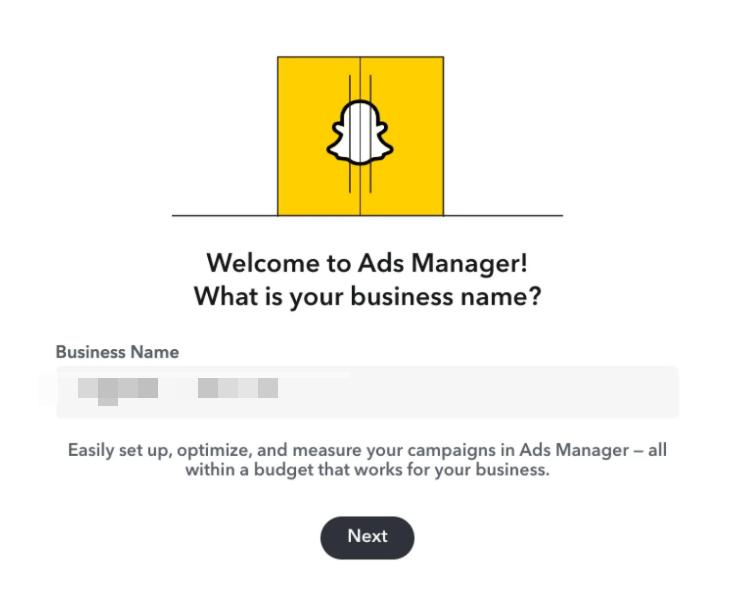
Use Snapchat Ad Manager to track ad performance in real-time, analyzing data such as impressions, click-through rates, and conversions, then adjust your strategy accordingly.
Optimize ad budgets, audience targeting, and ad timings based on real-time feedback to maximize efficiency. - Continuous A/B Testing & Refinements:
Regularly perform A/B tests to evaluate the effectiveness of different ad copy, images, videos, and target audiences.
Analyze the results to fine-tune your ads, including testing variations in call-to-action buttons, video length, and visual composition.
Snapchat, as a platform closely tied to younger audiences, offers brands unparalleled marketing opportunities through its unique features and interactive formats. By focusing on refined user targeting, creative content marketing, precise ad placements, influencer collaborations, cross-industry partnerships, and data optimization, brands can efficiently attract and convert users on Snapchat.
By implementing these strategies, your brand can achieve great success on Snapchat!