












This article explores the root causes behind Google Ads account suspension, walks you through the process of rapid account recovery and instant approval, and provides long-term protection strategies to help your ad account return to stable operation.
I. Root Causes of Google Ads Account Ban
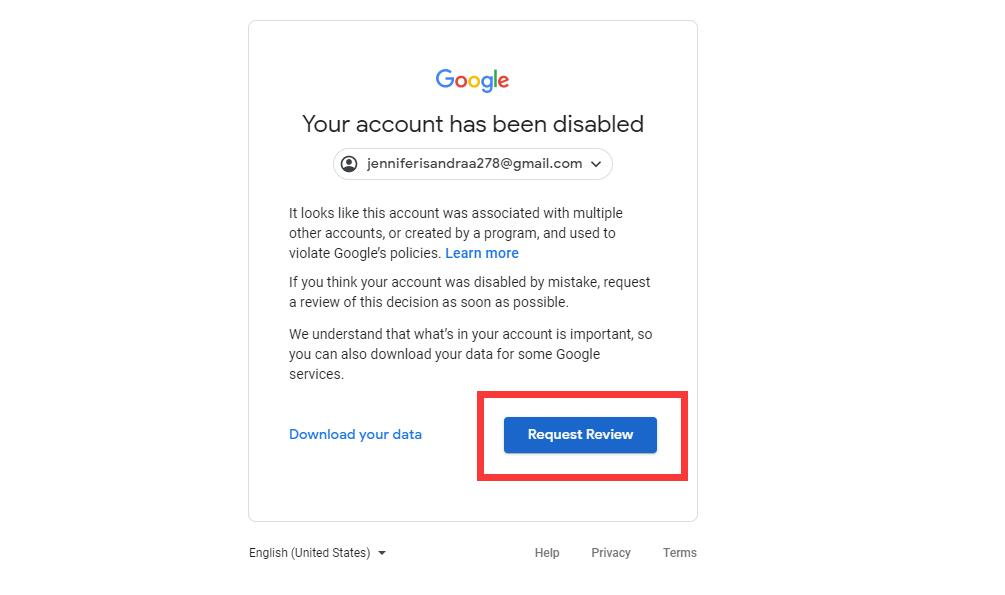
Understanding why your account was suspended or banned is the first step to efficient recovery. Google Ads evaluates overall account trustworthiness through a combination of automated review and human verification. Based on hundreds of cases, account suspensions generally fall into three categories:
Policy Violations
Prohibited or restricted content (gambling, adult, hazardous products, etc.)
Deceptive or misleading ads
Encouraging illegal behavior
False statements or misinformation
Payment and Billing Issues
Outstanding payments or chargebacks
Suspicious payment activities (virtual cards, unusual transactions, linked-to-banned bank accounts)
Abuse of promo codes or unusual refund patterns
Account Structure and Ad Behavior Issues
Multiple accounts not properly isolated (IP, device, or account information overlap)
Frequent ad disapprovals or attempts to circumvent the system
Unauthorized access or security concerns
Landing pages inconsistent with ad objectives, hacked sites, or containing malware
Other Common Reasons
Violations of ad editing or technical guidelines (e.g., excessive punctuation, symbols)
Inaccurate or misleading content
Targeting errors or discriminatory ads
Failure to pass identity verification
Accurately identifying the suspension reason is essential for efficient recovery.
II. Google Ads Suspended Account Recovery and Appeal Steps
Step 1: Confirm the Suspension Reason
In the “Campaigns” menu, select your ad or ad group.
Hover over the “Suspended” status in the “Status” column for more details.
Click “See Policy Details” to review the specific policy affecting your account.
Step 2: Fix the Issues
(1) Policy Violations
Steps:
Go to “Campaigns” → “Ads”
Hover over the ad or creative and select “Edit”
Modify content to comply with policies
Click “Save” to resubmit for review
Track review status through the ad status column or Policy Manager.
(2) Payment Issues
Verify all invoices are paid, ensure payment methods are authorized, avoid unverified virtual cards, and provide proof of payment if required.
(3) Account Anomalies
Complete account info, upload ID documents, and optimize login environment using a stable network or dedicated residential proxy like IPFoxy to reduce system flags.
Step 3: Submit an Appeal
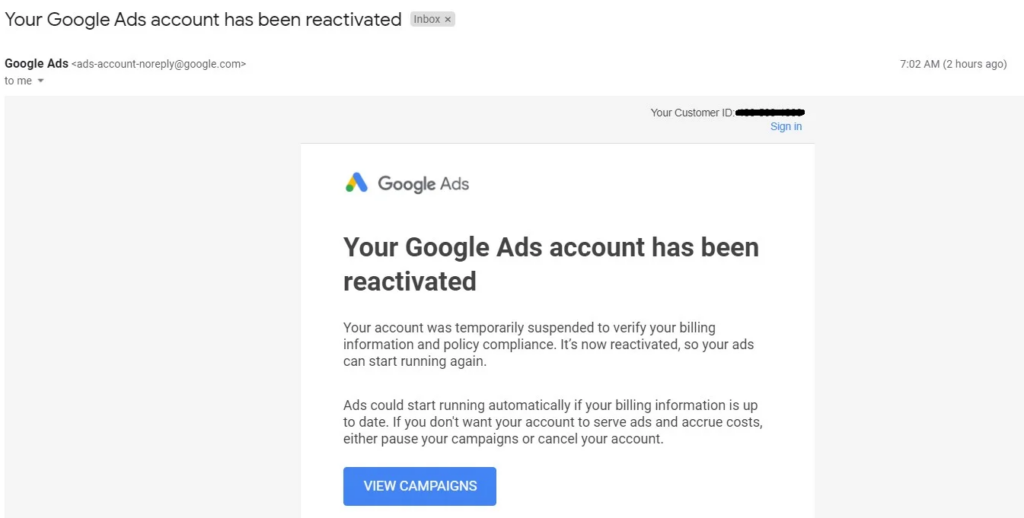
Use Policy Manager or the “Submit Appeal” link in the notification email
Step 4: Track Appeal Status and Avoid Mistakes
Track status in Policy Manager: Processing, Approved, Partially Approved, Rejected
Do not delete ads or create new accounts, avoid repeated appeals, keep account stable, and respect appeal intervals.
III. Long-Term Strategies to Prevent Account Suspension or Ban
Follow Google Ads Policies
Ensure compliance for all ads, creatives, and landing pages, especially in sensitive industries.
Maintain Payment and Billing Stability
Keep payments clear, authorized, and consistent.
Multi-Account Isolation and Network Management
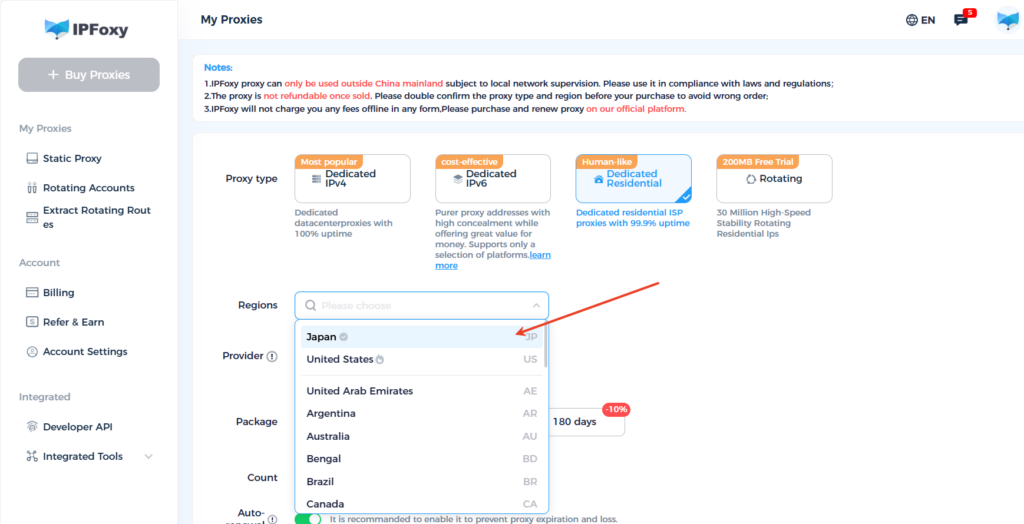
Use anti-detect browsers and dedicated residential proxies (IPFOXY) for full isolation of IPs, devices, and account information.
Regularly Audit Ads, Landing Pages, and Target Audiences
Ensure alignment with policies, avoid malicious content or misconfigured targeting.
Account Security Management
Strong passwords, two-factor authentication, and monitoring for unusual login activity.
IV. Impact of Multiple Suspensions on Ad Performance
Repeated suspensions reduce account trust, extend ad review, lower quality scores, and may restrict new campaigns.
Conclusion
Google Ads suspended accounts or bans impact not only short-term campaigns but long-term ad stability. Accurate issue identification, systematic correction, appeal submission, and building isolated, secure network environments are key to fast recovery and instant approval. Long-term compliance, stable payments, and regular audits are essential for preventing future suspensions.