











In 2026, the ecommerce landscape is quietly but steadily evolving. Amazon remains the industry giant, supported by its mature logistics network, massive customer base, and strong brand trust, offering sellers a reliable path to long-term growth. Meanwhile, emerging platforms like TikTok Shop have risen rapidly, leveraging social-driven shopping experiences and highly active younger audiences to create new opportunities for sellers.
So in today’s market, which platform should sellers choose? Should you continue building within Amazon’s established system, or capitalize on TikTok Shop’s traffic-driven growth? This article breaks down the core logic behind Amazon and TikTok Shop—from sales models and audience characteristics to marketing strategies, strengths, and challenges—helping you make a smarter ecommerce platform decision in 2026.
I. Key Differences Between TikTok Shop and Amazon
1. Sales Model
Amazon follows a traditional ecommerce model where products are listed in a marketplace environment. Sellers can resell existing products, build private labels, or use dropshipping models.
TikTok Shop operates on a social commerce model, integrating products directly into creative video content. This approach is especially effective for emerging brands that leverage trends to gain exposure.
2. Audience
Amazon attracts a broad and diverse audience with clear purchase intent. Users typically search for specific products and compare options before buying.
TikTok Shop primarily targets younger users, especially Gen Z and Millennials. Purchases are often driven by trends, viral videos, and influencer recommendations.
3. Marketing Strategy
Amazon relies heavily on paid advertising (PPC) to improve rankings and visibility.
TikTok Shop is content-driven, with viral videos and influencer collaborations at its core, allowing high-performing content to be amplified efficiently.
Overall, Amazon is better suited for sellers seeking stable growth through a mature system and intent-based traffic, while TikTok Shop favors brands pursuing fast growth through trend exposure and social-driven discovery.
II. Which Platform Is Better for Beginners?
After understanding the core differences, let’s examine the advantages and challenges of each platform.
1. TikTok Shop
Pros
- Younger audience: Ideal for reaching Gen Z and younger consumers.
- Rapid growth: Around 70 million users in the U.S. engage in TikTok shopping, with continued upward momentum.
- High conversion potential: Seamless shopping experiences and shoppable ads encourage impulse purchases.
Cons
- Regulatory uncertainty: TikTok faces potential restrictions in certain markets due to legal and security concerns.
- Privacy and security risks: Accounts may be vulnerable to hacking or data issues.
- Limited customer support: Lower Trustpilot ratings, often due to delayed support responses.
2. Amazon
Pros
- Massive reach: Over 300 million global customers provide stable traffic and exposure.
- Strong scalability: Tools like Amazon FBA simplify fulfillment and operations.
- Proven profitability: Nearly 50% of sellers report monthly revenues between $10,000 and $250,000.
Cons
- Intense competition: A large number of sellers makes differentiation challenging.
- Higher costs: FBA fees and platform commissions can compress margins.
- Frequent policy updates: Sellers must constantly adjust to remain compliant.
3. So, Which Platform Should You Choose?
In the short term, TikTok Shop offers stronger potential for launching new products and gaining rapid visibility, especially for creator-led or influencer-driven brands.
For long-term strategies focused on operational efficiency, customer retention, and data-driven scaling, Amazon remains the dominant choice.
Best approach:
Use TikTok Shop for top-of-funnel viral exposure, and Amazon for conversion, fulfillment, and backend scalability—achieving both fast growth and stable revenue.
III. Marketing and Advertising Strategy Tips for TikTok Shop and Amazon
1. TikTok Shop
Content is king. The most effective TikTok Shop ads don’t look like ads—they feel like native videos people actually want to watch, resulting in strong organic reach.
When content resonates with the audience, products can gain visibility without heavy ad spend, significantly lowering customer acquisition costs and improving ROI.
Best suited for:
- Trend-driven products
- Visually engaging storytelling
- Rapid product testing
- Low-budget campaigns
2. Amazon
Amazon ads target users with clear purchase intent, helping products appear at the top of search results. However, organic traffic is limited, and rankings depend on continuous optimization, ad spend, and stable sales.
While overall costs are higher, Amazon advertising offers predictability. Once rankings improve, sales and ROI become easier to manage.
3. Account Setup and Environment Management
For TikTok Shop, multi-account operations or cross-region promotion require careful attention to traffic environment and account security. Abnormal activity can easily trigger throttling or bans, directly impacting ad performance.
On Amazon, multi-store operations are highly sensitive to abnormal logins or account linking. Once an account is flagged as risky, stores can be suspended immediately.
As a result, ecommerce operators—especially those running multiple accounts—must prioritize account environment isolation.
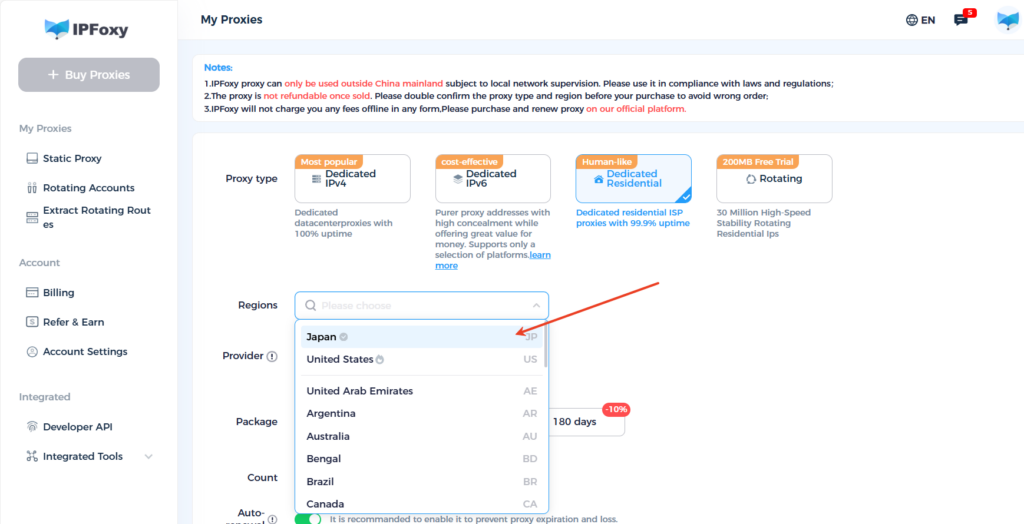
The most common approach is using an anti-detect browser integrated with a proxy. Combining an anti-detect browser with residential proxy access enables a true one-account-one-environment-one-IP setup, reducing the risk of account linkage and bans.
High-quality residential proxy solutions like IPFoxy are recommended over shared or free nodes. IPFoxy supports integration with all major anti-detect browsers, enables cross-region ad delivery and data monitoring, and ensures stable marketing operations.
IV. Frequently Asked Questions
1. How much does it cost to sell on Amazon?
Amazon charges either $39.99 per month or $0.99 per item, depending on your selling plan. Referral fees average around 15%, and FBA fulfillment fees apply if used. Advertising is optional but often necessary for visibility.
2. How much does it cost to sell on TikTok Shop?
Creating a TikTok Shop seller account is free. Sales commissions start at around 4.5%, depending on the market, with transaction fees averaging 3.5%. Influencer collaborations may cost up to $1,000 per post for top creators.
3. Which platform has higher conversion rates?
Amazon typically offers higher and more stable conversion rates due to strong purchase intent. TikTok Shop can also convert well when content performs strongly, driven by impulse buying.
4. What products perform best on each platform?
TikTok Shop excels with trend-driven, visually clear, affordable products such as beauty, fashion, lifestyle, and electronics. Amazon performs better for daily essentials, higher-priced items, and products requiring comparison and reviews.
5. What is TikTok’s “3-second rule”?
The first three seconds of a video must capture attention. If users lose interest immediately, they scroll away. Engagement drives exposure, and exposure drives sales.
Conclusion
In 2026, the ecommerce landscape continues to shift. Amazon remains the preferred platform for long-term operations, stable logistics, and data-driven scaling, while TikTok Shop offers creators and emerging brands rapid exposure through social-driven growth.
Choosing the right platform—and combining traffic acquisition, advertising optimization, and account environment management—will be the key path to sustainable growth and profitability in 2026 ecommerce operations.