











With the continuous growth of short-form video commerce, Instagram is strengthening its monetization capabilities. Recently, Meta Platforms introduced the “Reels product link” feature, allowing creators to complete the full journey from product discovery to conversion directly within videos.
So how do you enable this feature? What are the requirements? And how can you drive consistent sales through Reels? This guide breaks down eligibility, setup, and proven content strategies to help you succeed.
I. What Are Instagram Reels Product Links?
Recently, Meta Platforms announced a major update at Shoptalk Spring: Instagram Reels now supports direct product links.
In simple terms, creators can tag products directly within their Reels. While watching a video, users can tap the product link and go straight to the product page, without needing to visit the profile bio. This significantly shortens the purchase journey and improves conversion efficiency.
II. Requirements to Enable Reels Product Links
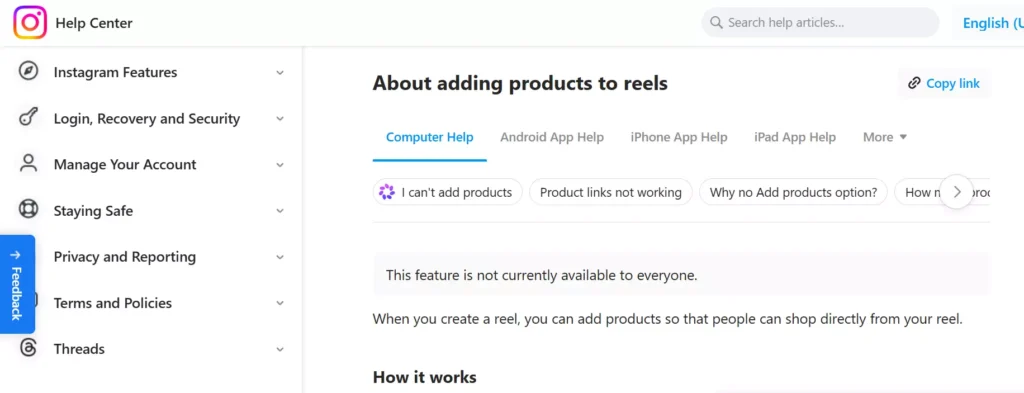
Although the feature is live, it is still in testing and gradual rollout. Not all accounts have access yet. If you want early access, check whether you meet the following conditions:
1.Basic eligibility requirements
Creators typically need to meet these criteria:
- Be at least 18 years old
- Use a public account
- Have 1,000+ followers
- Comply with platform monetization policies
2.E-commerce and monetization setup
This feature relies on Instagram’s commerce ecosystem, including:
- Connecting to Instagram Shop
- Setting up a product catalog
- Or participating in affiliate/commission programs
Meta Platforms is also promoting affiliate monetization. Supported platforms include Amazon, eBay, Temu, and independent stores.
3.Feature availability
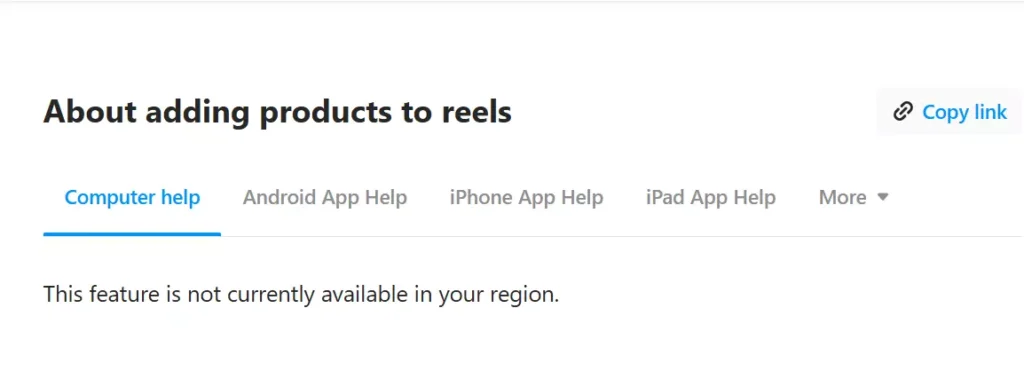
Currently, Reels product links are being tested in a limited number of markets (around five countries), with plans to expand further. Even if you meet all requirements, access may not be granted immediately due to phased rollout.
III. Winning Instagram Reels Strategies for Sales
With product links now available, creating content that drives both traffic and conversions requires a full-process optimization approach—from topic selection to conversion design.
High-performing content usually has:
- High completion rate
- Strong engagement
- Long watch time
Recommended content formats:
- Product reviews: build trust through authenticity
- Unboxing videos: strong visual appeal
- Problem-solving content: directly targets user needs and drives conversions
2.High-converting Reels structure
A sales-driven Reels video typically includes three key stages:
First 3 seconds (hook attention)
- Show results or transformation immediately
- Create contrast or curiosity
- Ask a compelling question
Middle section (deliver value)
- Show real usage scenarios
- Highlight 1–3 key selling points
- Speak from the user’s perspective
Ending (drive conversion)
- Clearly guide the next action
- Reinforce with captions or visuals
- Add secondary prompts in comments
Without a strong conversion step, even high views may not generate revenue.
3.Multi-account and content testing strategy
Failure to go viral is often due to limited testing rather than poor content. Different accounts have different audience tags, and the same content may perform differently.
Common testing methods:
- Create multiple versions of the same product
- Test multiple product categories
- Continuously optimize based on performance data
For multi-account operations, common best practices include:
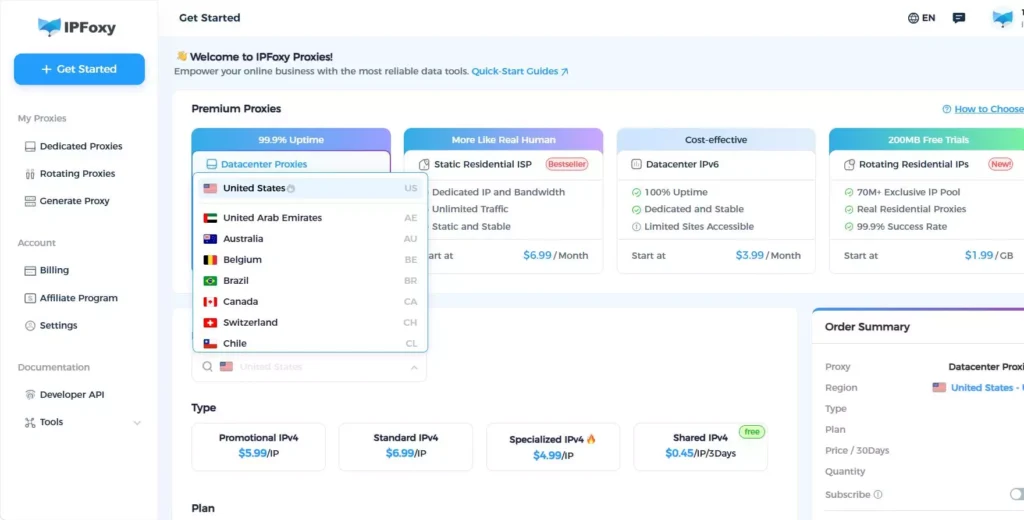
- Use a dedicated static residential proxy as a stable network for each account to reduce association risks. Providers like IPFoxy offer high-quality residential IPs across 200+ countries, ensuring stability, security, and clean IP resources. Free trials are available for testing.
- Use an Anti-detect browser to isolate browser fingerprints and prevent multi-account detection.
For creators aiming to scale Instagram sales, these setups are essential for efficiency and long-term stability.
4.Key tactics to improve CTR and conversion rate
Optimize thumbnails and titles:
- Highlight results or transformations (e.g., before vs after)
- Keep titles simple and direct
- Use clear, easy-to-understand keywords
Evaluate performance within the first hour:
Check traffic sources after publishing. If most views come from your profile rather than recommendations, the video likely didn’t enter the recommendation pool.
Quick checks:
- Is the title or caption weak?
- Is the thumbnail unattractive?
- Is the content unclear?
Stay active after posting:
Remain on the account for 10–15 minutes after posting to help the algorithm better understand your niche:
- Browse similar content
- Like or save related videos
Encourage interaction:
Actively design engagement prompts, such as:
- “Which one would you choose?”
- “Guess the result?”
Drive clear actions:
Even with traffic, users won’t click without guidance:
- Add clear “click to view” prompts
- Reinforce with captions or visuals
IV. FAQ
Not necessarily. Some creators can promote products via affiliate marketing without owning a shop. However, connecting to Instagram Shop is more stable for long-term operations.
Yes, but it’s not recommended. New accounts should first build basic activity and trust before adding product links.
Yes. The combination of short-form video and e-commerce is strengthening. Reels is likely to become a major monetization channel.
V. Conclusion
Overall, the launch of Instagram Reels product links further bridges the gap between content and e-commerce conversion. For creators, this is not just a new traffic channel, but also a powerful opportunity to improve monetization efficiency.
If you want to capitalize on short-form video commerce in 2026, start early by building your accounts, optimizing content structure, and using multi-account testing with data-driven iteration to find your best growth strategy.