












Rakuten is one of Japan’s largest e-commerce platforms, providing vast opportunities for global sellers. However, choosing the right approach for store registration and operation, as well as how to gain high traffic, remains a challenge for many sellers. This article will provide a comprehensive guide on selecting between local and cross-border store registration methods and operational strategies, helping you master Rakuten’s 2026 store setup.
I. Comparing the Three Rakuten Store Registration Methods
Sellers can choose from different registration methods based on their situation. Each method has clear differences in terms of documentation, operational difficulty, and suitability, allowing sellers to consider their needs and marketing effectiveness when making a decision.
1.Direct Registration
Suitable for sellers with experience and resources in the Japanese market, this method requires strict review and full responsibility for store operation, including listing, promotion, and customer service.
- Requirements: Must have a registered company or legal entity, submit complete and accurate company information, tax identity, and contact details, and use a company bank account for transactions.
- Fees: Initial registration fee is about ¥60,000 (approx. ¥2,800), with monthly or annual store fees starting at ¥25,000 per month (approx. ¥1,100), with a deposit of ¥500,000 (approx. ¥23,000), refundable after normal operation.
- Benefits: Greater control over pricing and operations, more support for promotion and market resources.
2.Official Agent Registration
Ideal for new sellers with limited Japanese e-commerce experience or no Japanese-speaking staff, but with potential limitations on traffic.
- Requirements: Sellers can entrust an official Rakuten agent to handle registration, with the agent providing language support and partial operational assistance.
- Fees: Additional agent service fees apply (negotiable).
- Benefits: Lower entry barriers, no need for fluent Japanese, suitable for sellers unfamiliar with local operations.
3.Local Identity Registration
This method involves opening a store with a Japanese legal entity or resident identity, and all activities are fully aligned with local businesses, eliminating cross-border operational barriers.
- Requirements: Provide identity and qualification proofs, including company registration documents, tax information, and a local Japanese address.
- Fees: Similar to other store registration fees.
- Benefits: Higher trust from Rakuten, more promotional opportunities, easier integration into the local market, and access to local logistics and tax processes.
II. How to Boost Traffic for Rakuten Local Stores
Among the three registration methods, local stores enjoy higher traffic support. However, the complexity of registration and operation increases. Below are strategies for gaining more traffic for Rakuten local stores:
1.Building a Stable Account Environment
Rakuten’s algorithm evaluates the stability and authenticity of seller accounts. Accounts that log in using stable Japanese residential IPs are more likely to be naturally promoted and gain more organic traffic.
Frequent IP switching or using data center IPs can lead to “behavioral anomalies,” decreasing account visibility.
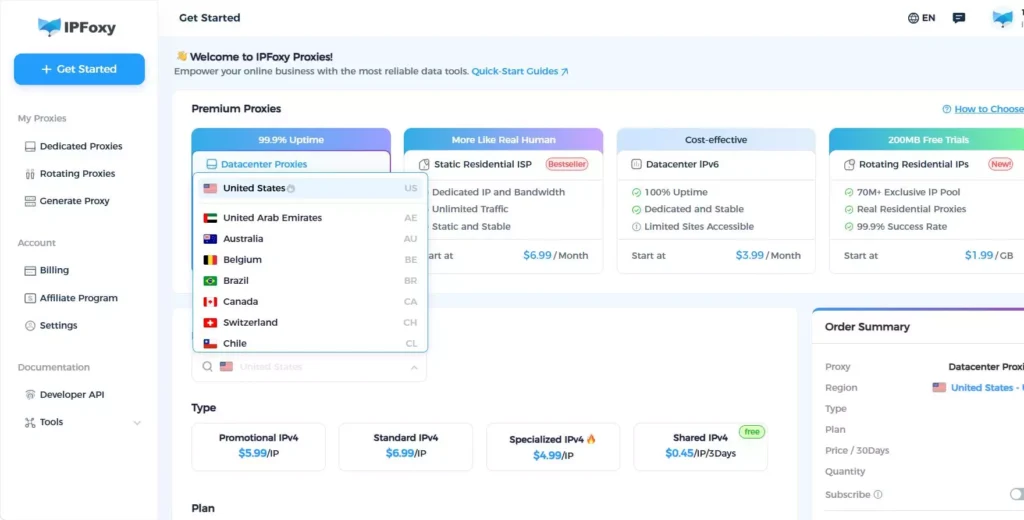
IPFoxy’s dedicated residential IPs from Japan help maintain a real local identity for accounts, avoiding account bans and reduced traffic.
2.Localized Content Marketing
Once traffic enters the store, converting and retaining customers is crucial:
- Rakuten Blog: Regularly post industry insights, tutorials, and brand stories on your store’s blog to attract targeted search traffic.
- Product Pages: Avoid mechanical translations and use familiar expressions and units, showcasing product use in typical Japanese life scenarios.
- User-Generated Content: Encourage buyers to leave photo/video reviews, increasing purchase persuasion.
3.Matrix Operations
If operating multiple accounts on Rakuten, it’s essential to isolate account environments:
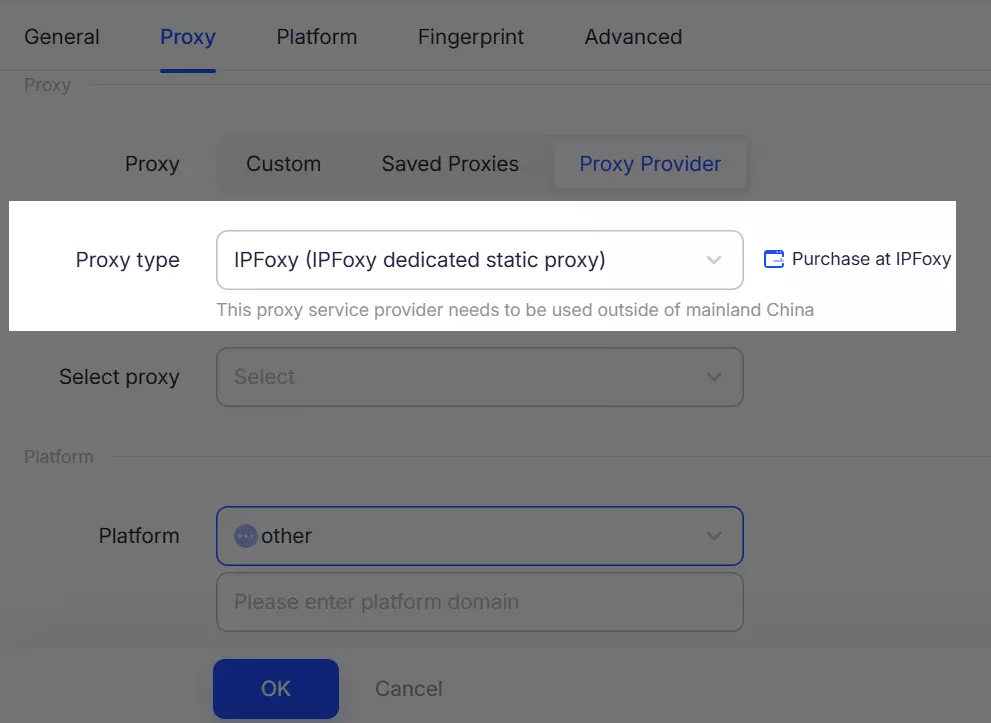
- Independent Device Fingerprints: Use anti-detect browsers to simulate different environments for each account.
- Unique IP Addresses: Each account should have a unique, high-quality residential IP to prevent penalties from using shared or flagged IPs.
III. FAQ
A: Yes, Rakuten allows overseas sellers to register via “direct registration” or “agent registration.” You can use your local company’s qualifications but must meet the platform’s strict requirements.
A: Rakuten detects account environments. Using stable, real Japanese residential IPs ensures your store looks like a local business, enhancing credibility and security.
A: Logistics: Must ship from Japan, with delivery expected within 1-2 days.
Customer Service: Must provide Japanese-speaking support with quick response times.
IV. Conclusion
Choosing the right registration method is the first step in succeeding on Rakuten. Each method should be selected based on your specific situation. Optimizing your store’s content and operation strategies, along with localized services, can increase exposure and sales. Maintaining account stability and independence while avoiding IP-related penalties ensures long-term success. This guide will help you successfully open and operate a store on Rakuten in 2026.