












Live streaming e-commerce has grown rapidly, with Whatnot and TikTok Shop as two leading platforms. Each has its unique advantages and challenges. This article deeply compares the core differences between Whatnot and TikTok Shop, providing cross-border e-commerce sellers with practical insights based on product characteristics, user demographics, and marketing strategies to help make informed decisions.
I. Differences Between Whatnot and TikTok Shop Live Streaming E-Commerce Platforms
1.Entry Requirements
Whatnot has relatively low entry barriers, focusing on “local certification,” requiring only a U.S.-based phone number and driver’s license for registration.
TikTok Shop has a more complex entry process, especially for Chinese sellers, requiring frequent submission of compliance documents and unclear guidelines.
2.Platform Focus & User Base
Whatnot specializes in niche markets, particularly collectibles, attracting seasoned collectors and enthusiasts with high-value transactions and strong repurchase intent.
TikTok Shop is a broad, social-driven e-commerce platform covering beauty, fashion, and more, attracting primarily Gen Z users who lean toward impulse buying.

3.Core Operational Model
Whatnot primarily uses a live auction model, emphasizing professional authentication, interactive auctions, and building trust.
TikTok Shop relies on a mix of short videos and live-streaming, using the platform’s algorithm to recommend products to users based on potential demand.
4.Live Streaming Style
Whatnot offers a localized style, with hosts building stronger emotional connections with viewers through auctioning and personal resonance.
TikTok Shop features hosts who often speak too quickly, which can affect the viewer experience.
5.Payment Methods
Whatnot supports localized payment methods such as Apple Pay and Venmo, without the need for third-party payment platforms.
TikTok Shop relies on third-party payment platforms, which can complicate the payment process and be subject to cross-border payment limitations.
| Dimension | Whatnot | TikTok Shop |
|---|---|---|
| Core Focus | Niche Collectibles | Social E-commerce |
| Target Audience | Collectors, Enthusiasts (high-ticket, high loyalty) | Gen Z, General Consumers (impulsive shoppers) |
| Core Model | Live Auction (trust and scarcity) | Content & Algorithm-driven, Short Videos & Live Selling |
| Traffic Logic | Community-driven, search-based | Algorithm-driven, interaction-based |
| Product Types | Niche: Rare cards, collectibles, sneakers | Broad: Beauty, fashion, FMCG |
| Transaction Features | High-ticket, auction-based premiums | Lower-ticket, promotional-based, higher return rates |
| Platform Fees | Higher seller fees (8%-15%), additional transaction fees | Lower seller fees (2%-8%), frequent new seller promotions |
| Key Scenarios | Limited edition auctions, niche collections | Beauty tutorials, fashion shows, clearance sales |
| Infrastructure | Built-in authentication, collectibles database | Third-party logistics, rich tools (affiliate marketing, short video linking) |
| Success Factors | Host expertise, community trust, product scarcity | Content creation, algorithm use, pricing competitiveness |
| Core Difference | Trust-based, vertical community, emotional and collectible economy | Traffic-based, content-driven, scale and efficiency |
II. Which Platform is Better for Your Business?
Based on the following four key traits, sellers can quickly decide which platform suits their needs:
1.Product Type
Whatnot is ideal for selling collectibles, limited items, and high-value products with strong community engagement and repeat business.
TikTok Shop suits fast-moving consumer goods (e.g., beauty, fashion), relying on large traffic pools and rapid conversions, ideal for sellers looking for mass exposure.
2.Target Audience
Whatnot has a targeted user base of seasoned collectors with strong loyalty and repurchase rates.
TikTok Shop offers broader reach, primarily attracting Gen Z and young consumers.
3.Traffic & Marketing
Whatnot has stable traffic, focusing on community operations and niche markets.
TikTok Shop relies on algorithm-driven traffic, which can fluctuate but offers high potential for viral exposure.
4.Platform Registration & Payments
Whatnot offers simple registration, localized payments, and efficient transactions.
TikTok Shop has a more complicated registration process, with third-party payment dependencies and lower transaction efficiency.
If your products cater to a niche market and you’re focused on long-term growth, Whatnot is a better fit. If you’re aiming for mass exposure and short-term conversion, TikTok Shop is more suitable.
III. Marketing Strategies for Whatnot and TikTok Shop
1.Whatnot
- Product Selection: Whatnot is suited for high-value, rare items like collectibles, toys, and vintage accessories. Sellers should choose products with cultural relevance to local markets.
- Content Strategy: Create engaging live scripts, design interactive segments, and generate suspense with blind box auctions to boost audience participation. Incorporate lower-priced items alongside high-ticket items to appeal to different customer segments and drive conversions.
2.TikTok Shop
Short Video + E-Commerce: Take advantage of TikTok’s algorithm by participating in trending topics to push product exposure. Include clear buying links and promotions within videos to drive conversions.
Traffic & Interaction: Post during optimal times, engage actively with viewers to increase comments and likes. TikTok’s algorithm prioritizes content quality and post timing, making these factors crucial for conversion.
IV. Account Environment Setup
For both Whatnot and TikTok Shop, using a multi-account matrix is essential, with each account requiring an independent and stable environment.
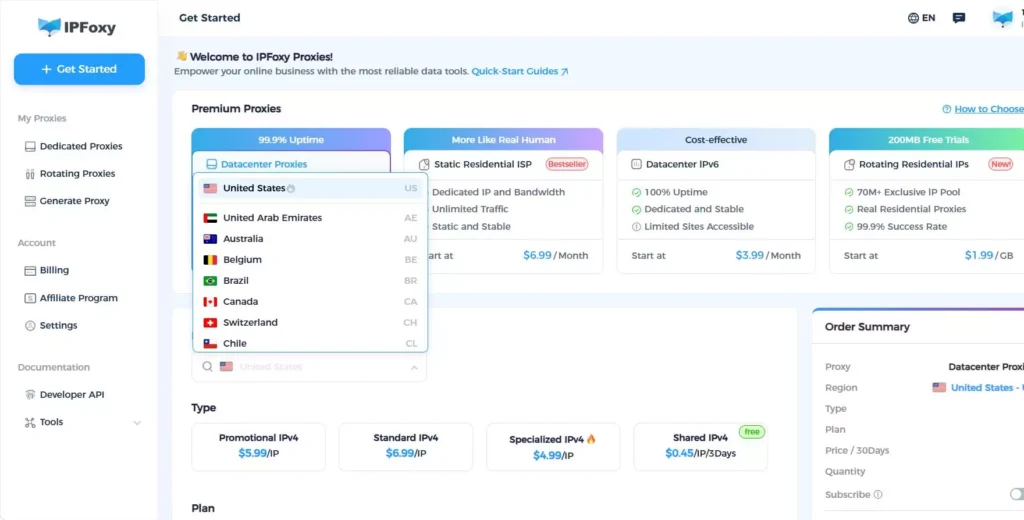
- Whatnot particularly values local verification. It’s recommended to use IPFoxy’s dedicated static residential proxy, which mimics real user environments, supporting over 200 cities worldwide, ensuring IP alignment with account location, thus lowering the risk of detection as a virtual account.
- For TikTok Shop, platform risk control is stringent. Frequent IP switching or using shared proxies can trigger account penalties. Using an anti-detect browser in combination with dedicated static residential proxies ensures each account operates in an undisturbed environment, avoiding the risk of IP and browser fingerprint overlap that could result in account suspension.
V. Conclusion
Choosing between Whatnot and TikTok Shop depends on your business goals and product characteristics. Whatnot is better for niche markets, particularly collectibles and high-value items, with strong community engagement and repeat customers. TikTok Shop, with its large traffic pool and rapid conversion, is ideal for brands seeking mass exposure and quick sales. When choosing a platform, consider your product positioning, target audience, and marketing strategy, while ensuring a secure multi-account environment for stable operations.