











For brand teams, e-commerce sellers, and independent-site operators, a Facebook Page is a key content hub and the core carrier for advertising. Yet many users face the same issue: sudden Page bans, restricted ads, disabled posting, or even the entire Page becoming invisible.
This article summarizes the real causes behind Page restrictions—based on Facebook’s official policies, industry insights, and user operations—and provides actionable solutions to help you restore your Page quickly and prevent future risks.
I. Why Can a Facebook Page Be Banned or Restricted?
1. Administrators use purchased accounts or fake identities (newly added cause)
Facebook places strong emphasis on authenticity.
If a Page admin’s account shows abnormal attributes, such as:
- Accounts purchased from Telegram or marketplaces
- Rented accounts or outsourced accounts
- Profile data inconsistent with the login IP region
- Obviously fabricated identity information
The system may flag the admin as a suspicious or non-authentic user. Once an admin is flagged, the Page is often affected as well—Page bans, ad restrictions, posting limits, etc. This has become one of the most common causes for e-commerce users.
2. Failing to appeal in time, causing the system to confirm the violation
Many Page bans are in fact false positives. But if you:
- Do not click Request Review
- Skip identity verification
- Fail to submit required documents within the deadline
The system will treat it as “violation confirmed”, leading to:
- Temporary issues becoming permanent
- Minor issues accumulating and lowering Page trust
3. Non-compliant admin identities or problematic admin profiles
Facebook requires Page administrators to use real, authentic accounts.
If any admin uses fake names, non-authentic profiles, or previously purchased/rented accounts, the system may trigger enforcement.
If a punished or restricted account remains in the admin list, it may also negatively impact the Page.
4. Misleading Page name or inconsistent Page information
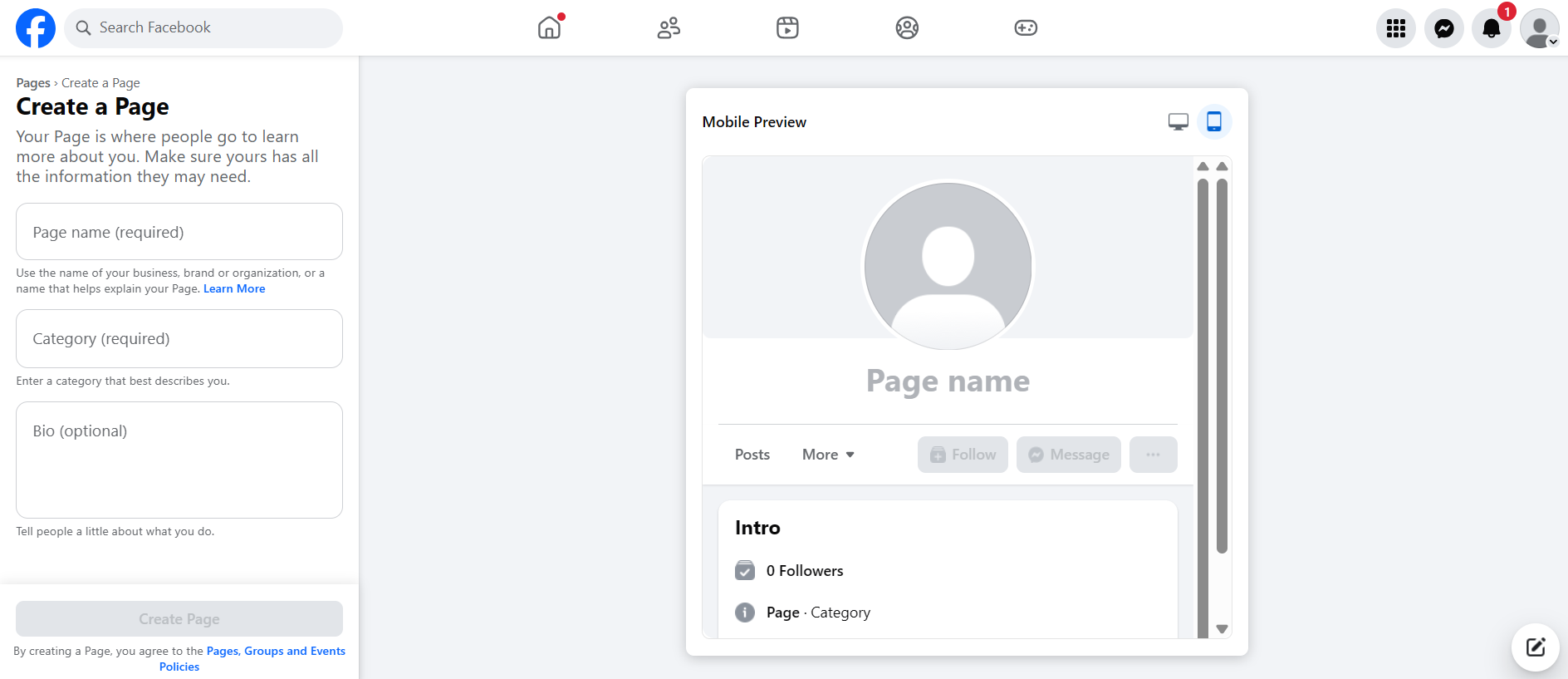
If the Page name does not match the actual content or appears misleading (e.g., impersonating brands, individuals, or organizations), Facebook may restrict or remove the Page.
The Page description, About section, and contact details must be accurate to avoid being flagged as deceptive, fraudulent, or impersonating.
5. Violations in content, low content quality, spam, or misleading posts/ads
Posting content that includes misleading claims, deceptive advertising, false information, infringement, hate, adult content, or violence violates Facebook’s Community Standards.
If the Page receives a high number of reports or repeated content warnings, the Page may be restricted or removed.
For advertising:
If ads promoted via the Page involve restricted products (e.g., certain adult items, unsafe supplements, or illegal goods), the Page or its ad capabilities may be limited.
6. Using unregulated tools or abnormal environments (e.g., fake engagement, suspicious proxies, unstable login setups)
Many Page bans are related to:
- Fake likes/followers
- Artificial engagement
- Using public, unstable, or low-quality proxies
- Irregular login environments
These behaviors violate Facebook’s authenticity principles.
Using shared devices, public IPs, or unmanaged proxy environments may also trigger system suspicion.
7. Low Page score or accumulated negative history
For Pages involved in advertising, poor ad feedback (e.g., complaints, delivery issues, inaccurate product descriptions) can reduce Page trust and restrict ad capabilities.
Common issues for independent-site sellers include:
- User complaints about deceptive sites
- Slow logistics or unresolved refunds
- Product–ad inconsistency
- High complaint volume
Accumulated violations or high reporting rates lower Page trust and increase the likelihood of restrictions.
II. How to Quickly Recover a Restricted or Banned Page
1. Immediately review admin accounts and past violations
- Remove purchased, rented, or fake-identity admins
- Reassign the Page to real, compliant accounts
- Check for naming violations or impersonation risks
- Remove content or ads that may trigger enforcement
If admin accounts are problematic, appeals will not help.
2. Submit an appeal promptly
When a Page or ad is restricted:
- Click Request Review immediately
- Submit identity documents if required
- If it’s a false positive, emphasize normal business use and completed rectifications
Leaving the issue unresolved leads to:
- No appeal within 48–72 hours → violation confirmed
- Appeal quota exhausted → potential permanent ban
3. Stop all grey practices (fake engagement, scripts, automation)
Facebook’s risk control system is increasingly sensitive:
- Fake followers/engagement = guaranteed enforcement
- Automation tools are easily detected
- Public or cheap residential IPs are risky
If multiple accounts are used, ensure:
- One account = one clean, stable environment
- Fingerprints consistent, IP stable
- No automated bulk operations
4. Maintain a consistent environment and stable login behavior
Avoid:
Multiple people sharing the same account, switching countries within a day, logging into a US account from a non-US network, or frequent device hopping.
If restrictions are caused by poor reputation, focus on improving:
- Logistics and delivery
- Customer service responsiveness
- Accurate product photos
- Targeted advertising
- No exaggerated claims (“lose 10kg in 7 days”)
Improved scores will naturally restore ad permissions.
III. How to Reduce Facebook Risk Control Issues
Start by optimizing device and network environments.
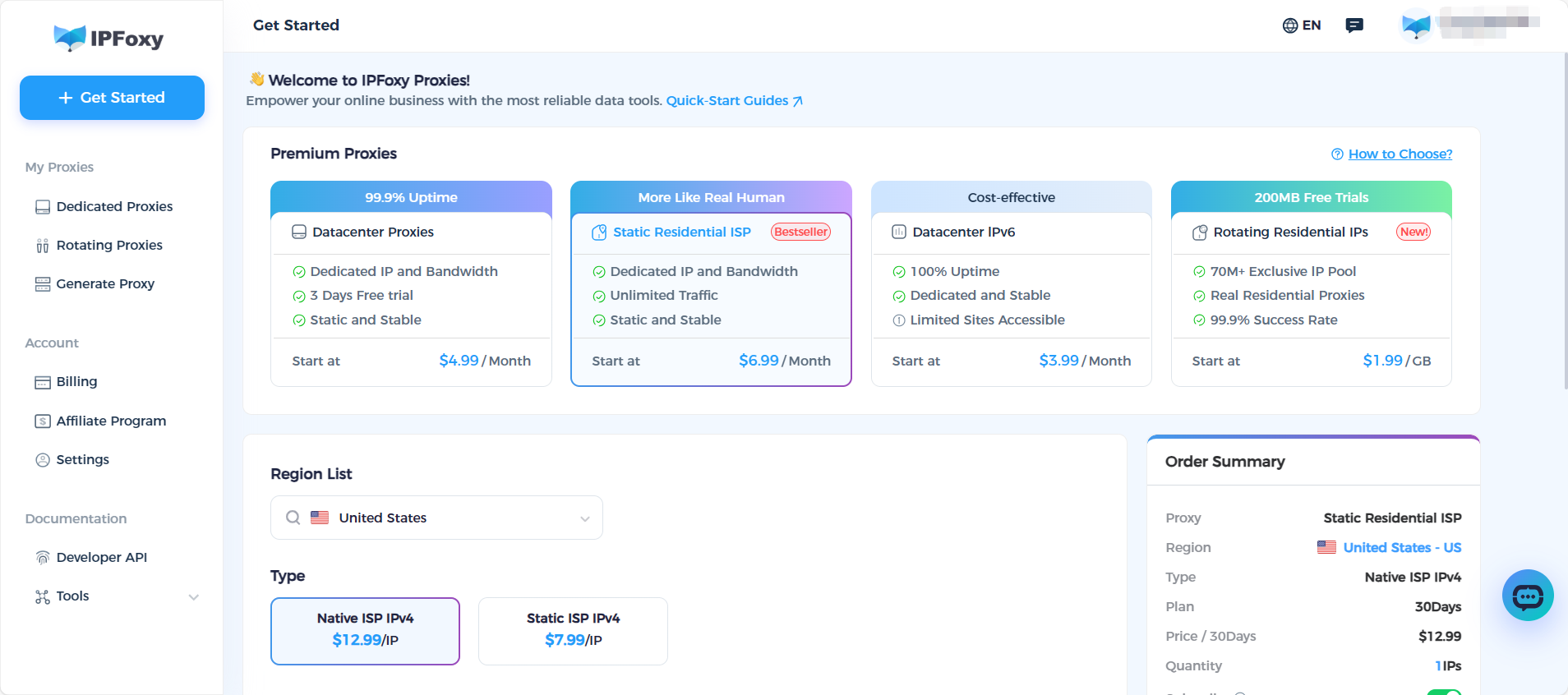
The real proxy services provided by IPFoxy can significantly improve account-environment stability across different regions. To avoid being flagged by Facebook, it is essential to follow authentic user behavior principles:
- Keep each account in an independent network environment to prevent cross-contamination
- Use stable residential IPs instead of data-center, public, or low-quality proxies
- Avoid frequent device or environment switching
- Do not use automated scripts
- Ensure Page admins use real accounts rather than purchased ones
Conclusion
Facebook’s enforcement on Pages and advertising has become increasingly strict.
Non-authentic accounts, abnormal environments, non-authentic behavior, policy violations, and delayed appeals are the main causes of Page bans.