












In 2026, ISP proxies (static residential proxies) have become essential tools for multi-account management, ad verification, and market research. They combine the speed of datacenter proxies with the legitimacy of residential IPs, providing a stable network environment for managing social media accounts, running ads, and conducting geo-targeted testing.
This article provides an in-depth comparison of the top 6 ISP proxy providers and analyzes their features and ideal use cases.
I. Best ISP Proxies in 2026: Quick Comparison
If you want a quick overview of the leading providers, refer to the table below:
| Provider | Success Rate | Response Time | Key Advantage | Best For |
|---|---|---|---|---|
| Bright Data | 99%+ | ~0.6s | Largest ISP network / enterprise stability | Multi-accounting / ad verification |
| Oxylabs | 99%+ | ~0.8s | Enterprise-grade stability / clean IPs | Market research / e-commerce data |
| IPFoxy | 99%+ | ~0.7s | High purity / low abuse rate | Social media accounts / account environment |
| Decodo | 97% | ~0.7s | Easy to use / cost-effective | Small teams / social media |
| Webshare | 95% | ~1.3s | Budget-friendly / beginner-friendly | Testing / lightweight accounts |
| IPRoyal | 96%+ | ~0.7s | Flexible pricing / non-expiring traffic | Small projects / irregular usage |
II. What Is an ISP Proxy?
An ISP proxy (static residential proxy) refers to an IP address assigned by an Internet Service Provider but hosted in a high-performance network environment. It offers:
- The authenticity of residential IPs
- Near datacenter-level speed and stability
ISP proxies do not rotate automatically, allowing users to maintain the same IP address for extended periods. This makes them ideal for tasks requiring persistent identity, such as multi-account management, ad verification, and social media operations.
III. Best ISP Proxy Providers in 2026: Detailed Review
Bright Data
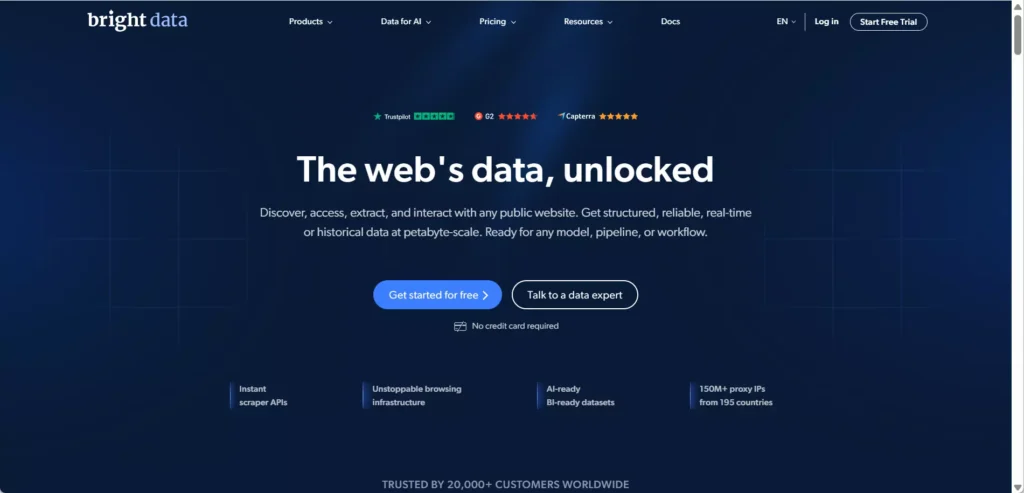
Bright Data is widely recognized as one of the most comprehensive ISP proxy providers, offering over 1.3 million ISP IPs across 35+ locations. It supports both enterprise and individual users with flexible pricing and advanced tools. The platform emphasizes compliance with GDPR, CCPA, and ISO standards.
Suitable for:
Enterprise users requiring high stability and compliance, including ad verification teams and multi-account operators.
Performance:
- Success rate: 99%+
- Response time: ~0.6s
- Supports HTTP/HTTPS/SOCKS5
- Pricing: from $35/month (10 IPs)
- Coverage: 35+ locations
Drawbacks:
- Higher pricing
- Steeper learning curve
Oxylabs
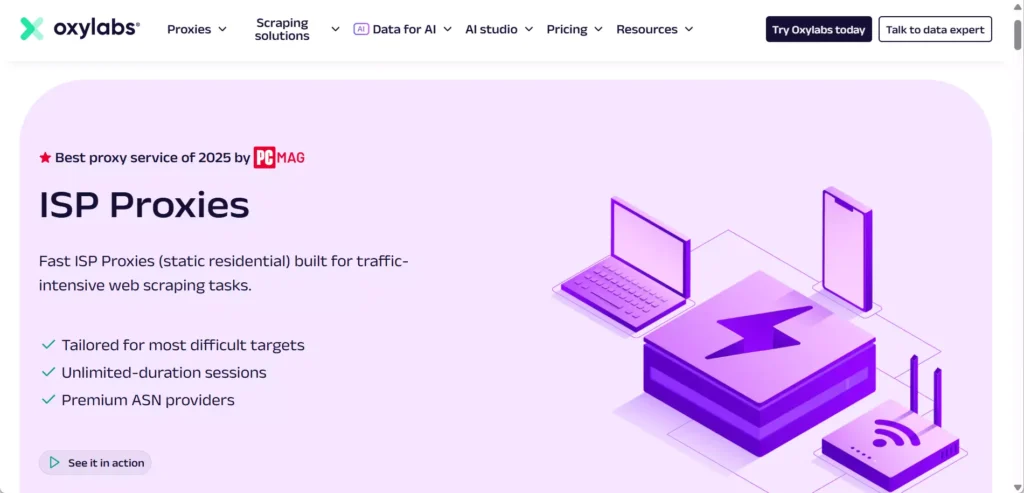
Oxylabs focuses primarily on the US and Western Europe. Its ISP proxies are sourced from major ISPs and stand out for high stability and success rates, with automatic replacement of flagged IPs.
Suitable for:
E-commerce businesses, agencies managing multiple accounts, and users prioritizing stability over cost.
Performance:
- Success rate: 99.95%
- Response time: ~0.8s
- Supports HTTP/HTTPS/SOCKS5
- Pricing: from $16/month (10 IPs)
- Coverage: 4+ locations
Drawbacks:
- Higher minimum commitment
- Limited geographic coverage
- Requires sales contact for setup
IPFoxy
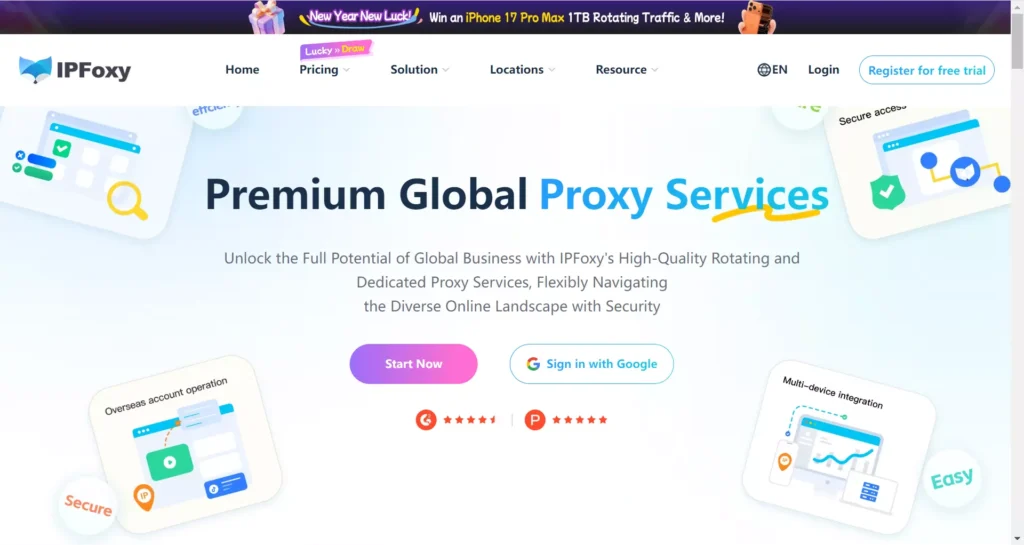
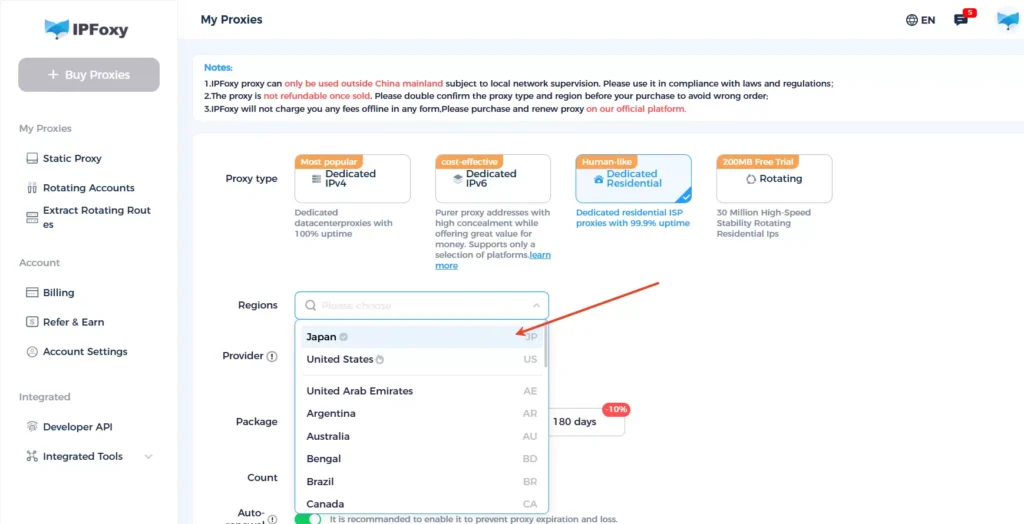
IPFoxy is a rising ISP proxy provider known for high cost-performance and clean ISP resources. It offers static ISP proxies with reliable sources and low abuse rates, making it effective in high-restriction environments such as social media and advertising.
Suitable for:
Social media managers, e-commerce multi-account teams, and small to mid-sized businesses needing stable identity.
Performance:
- Success rate: ~99%
- Response time: ~0.7s
- Supports HTTP/HTTPS/SOCKS5/SSH
- Pricing: from $7.99/month (1 IP)
- Coverage: 25+ locations
Drawbacks:
- Moderate IP pool size
- Limited enterprise-level features
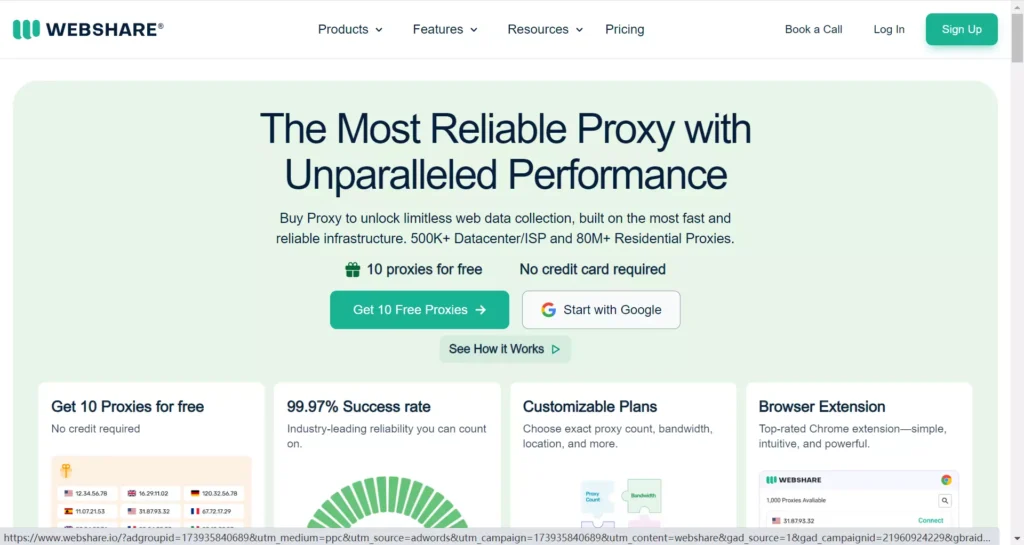
Webshare provides affordable and easy-to-use ISP proxies with no minimum commitment. It is ideal for testing and lightweight use cases.
Suitable for:
Individual users and small businesses for testing and basic account operations.
Performance:
- Success rate: 95%
- Response time: ~1.3s
- Supports HTTP/HTTPS/SOCKS5
- Pricing: from $18.50/month (20 IPs)
- Coverage: not disclosed
Drawbacks:
- Smaller IP pool
- Less stable performance
- Limited advanced features
- Limited geographic targeting
Decodo
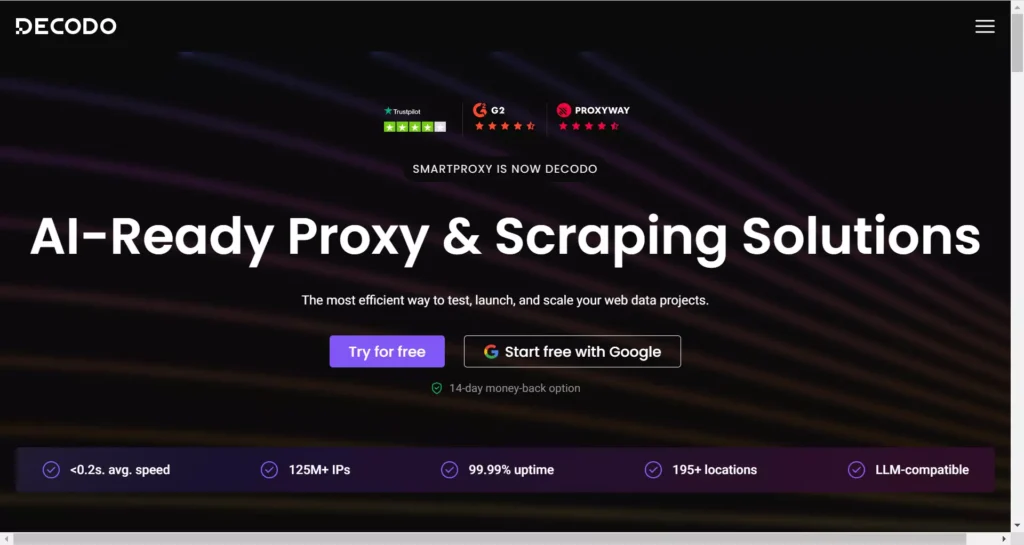
Decodo is a beginner-friendly ISP proxy provider with a simple interface and transparent pricing. It supports both per-IP and per-GB billing models.
Suitable for:
Social media operators, small teams, and beginners.
Performance:
- Success rate: ~97%
- Response time: ~0.6s
- Supports HTTP/HTTPS/SOCKS5
- Pricing: from $27.5/month (10 IPs)
- Coverage: not disclosed
Drawbacks:
- Smaller IP pool
- Limited ASN diversity
- Lacks advanced API features
IPRoyal
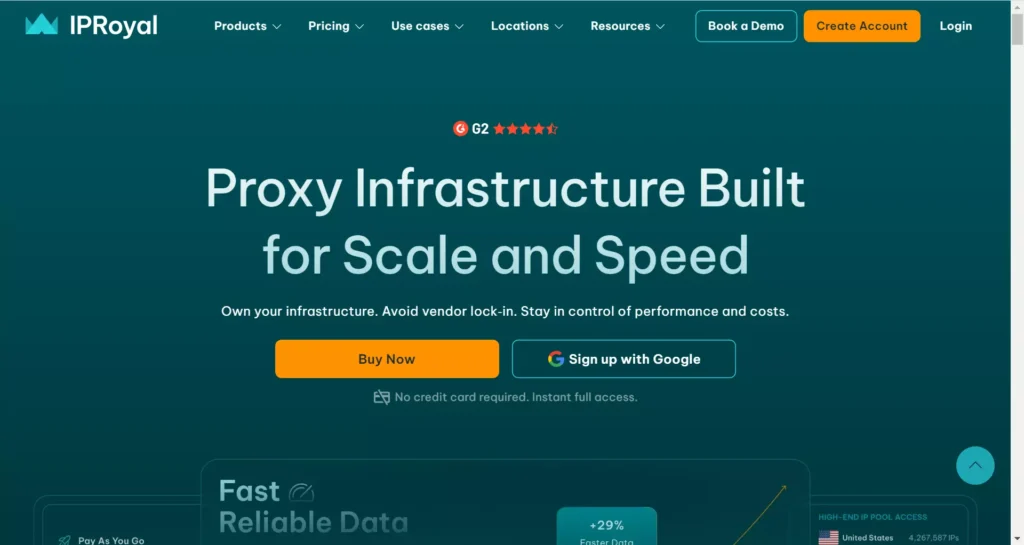
IPRoyal focuses on cost efficiency and flexible pricing. Its key feature is non-expiring traffic, making it suitable for projects with irregular usage.
Suitable for:
Budget-conscious users, small projects, and testing scenarios.
Performance:
- Success rate: ~96%
- Response time: ~0.7s
- Supports HTTP/HTTPS/SOCKS5
- Pricing: from $29.4/month (10 IPs)
- Coverage: 39+ locations
Drawbacks:
- Limited IP pool
- Variable IP quality
- Less suitable for strict anti-bot environments
IV. FAQ
ISP proxies are ideal for tasks requiring both stability and speed, such as e-commerce operations, social media management, and efficient data collection under moderate restrictions.
The key difference lies in IP origin and authenticity. ISP proxies use real ISP-assigned IPs with higher trust levels, while datacenter proxies originate from cloud providers and are easier to detect.
Both use real ISP IPs, but ISP proxies are static and hosted in data centers, offering higher speed and stability. Residential proxies are rotating proxies routed through real user devices, providing stronger anonymity for large-scale requests.
ISP Proxy vs Residential Proxy Comparison
| Feature | ISP Proxy | Residential Proxy |
|---|---|---|
| IP Source | ISP-assigned | ISP-assigned (real users) |
| Network | Hosted environment | Home devices |
| Speed | High (100–300 Mbps) | Medium (10–100 Mbps) |
| Stability | High | Depends on user |
| IP Type | Static proxy | Rotating proxy |
| Use Case | Multi-account / ad verification | Data collection / rotation |
Conclusion
In 2026, ISP proxies have become a core infrastructure for multi-account management and ad verification. By combining residential authenticity with high performance, they reduce detection risks while maintaining efficiency. Different providers vary in performance, cost, and coverage, so choosing the right proxy depends on balancing stability, anonymity, and budget.