

Deidicated
Residential Proxy
Long-lasting real ISP proxy, 25+ popular
countries












-
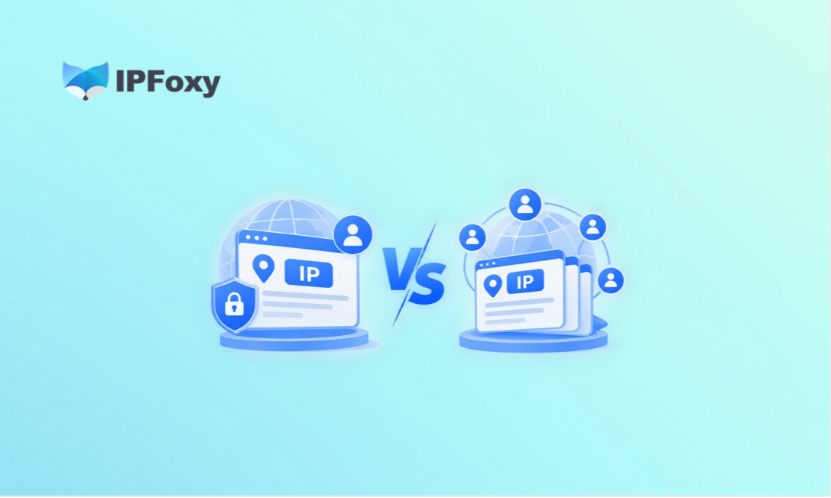
Dedicated vs Shared Proxies: What’s the Difference and How to Choose?
This article compares dedicated proxy and shared proxy, outlining their differences, suitable business use‑cases and common pitfalls of dedicated proxy. It helps users in e‑commerce, social‑media multi‑account management and data gathering pick the right proxy based on business requirements
-
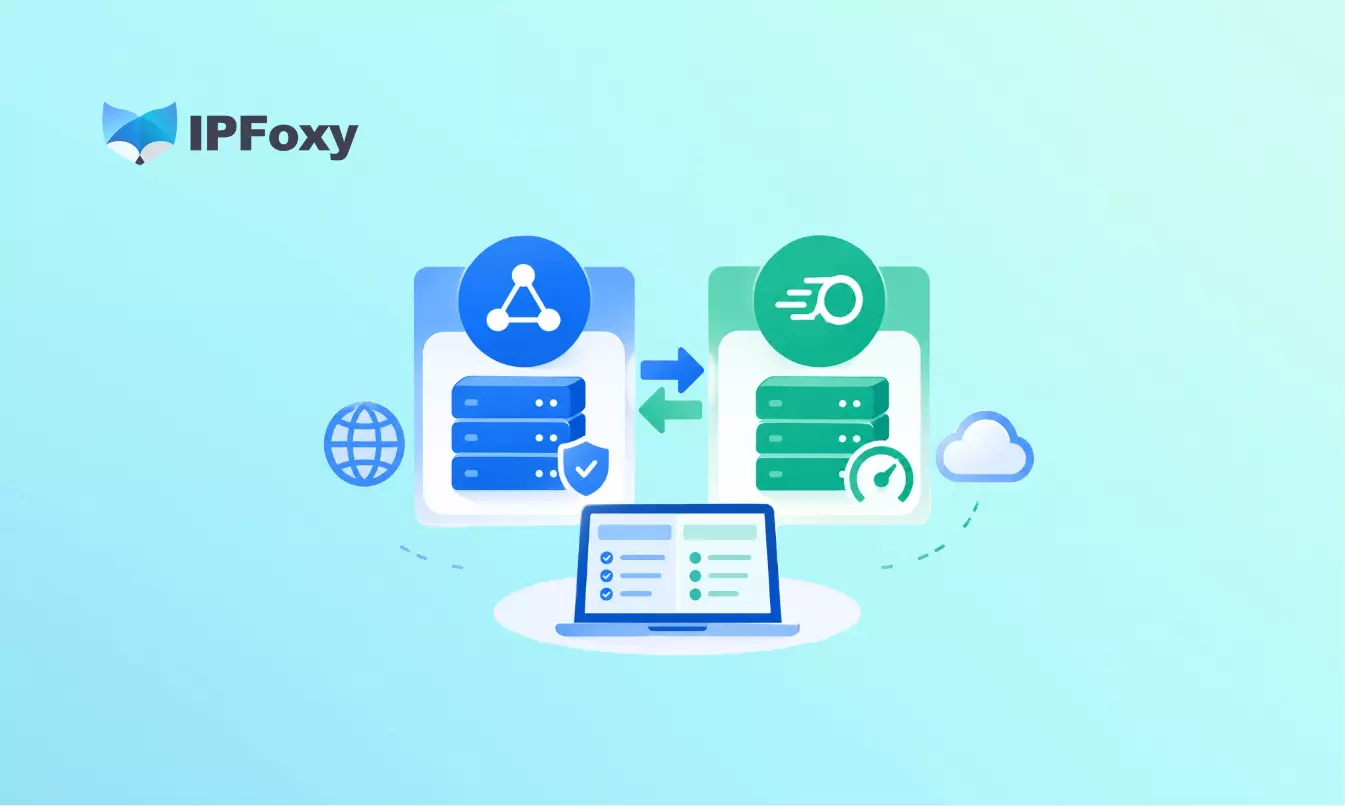
TCP vS. UDP Protocol Guide: Key Differences, Use Cases & Selection Guide
TCP and UDP are both transport layer protocols in the TCP/IP suite, but they differ significantly in connection handling, reliability, and transmission efficiency. While TCP emphasizes stability, reliability, and ordered delivery, UDP focuses on low overhead and low latency. This article explores the core differences between TCP and UDP to help you optimize network configurations…
-

2026 4G/5G Mobile Proxies: How to Choose the Right Proxy for Your Business
In e-commerce, social media multi-account management, and mobile data collection, proxy quality directly affects risk control and connection stability. Choosing a mobile proxy should not be based only on the number of IPs or price. Network source, location coverage, rotation options, stability, and other factors should also be considered. This article covers four aspects of…
-

What Is Proxy IP Purity? 3 Ways to Check IP Quality & Risk Scores
Proxy IP stability depends on more than just whether it can successfully connect—proxy IP purity is equally crucial. In operational scenarios such as account registration, shop management, and ad verification, an IP historical abuse records, risk scores, and geolocation can all directly influence platform risk evaluations. This article examines key aspects of proxy IP purity,…
-
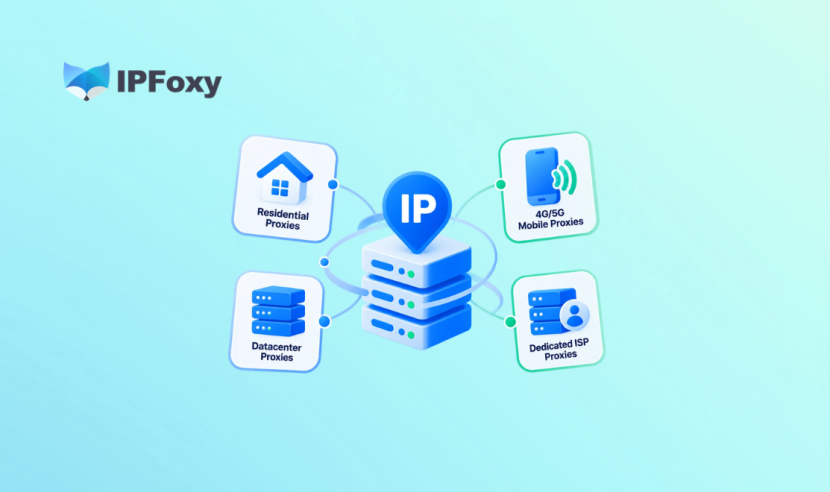
Proxy Types Explained: Residential, Datacenter, Mobile, and More
This guide breaks down the main proxy types by network attributes, lifecycle, protocol, and functionality, with recommendations for different business scenarios.
-
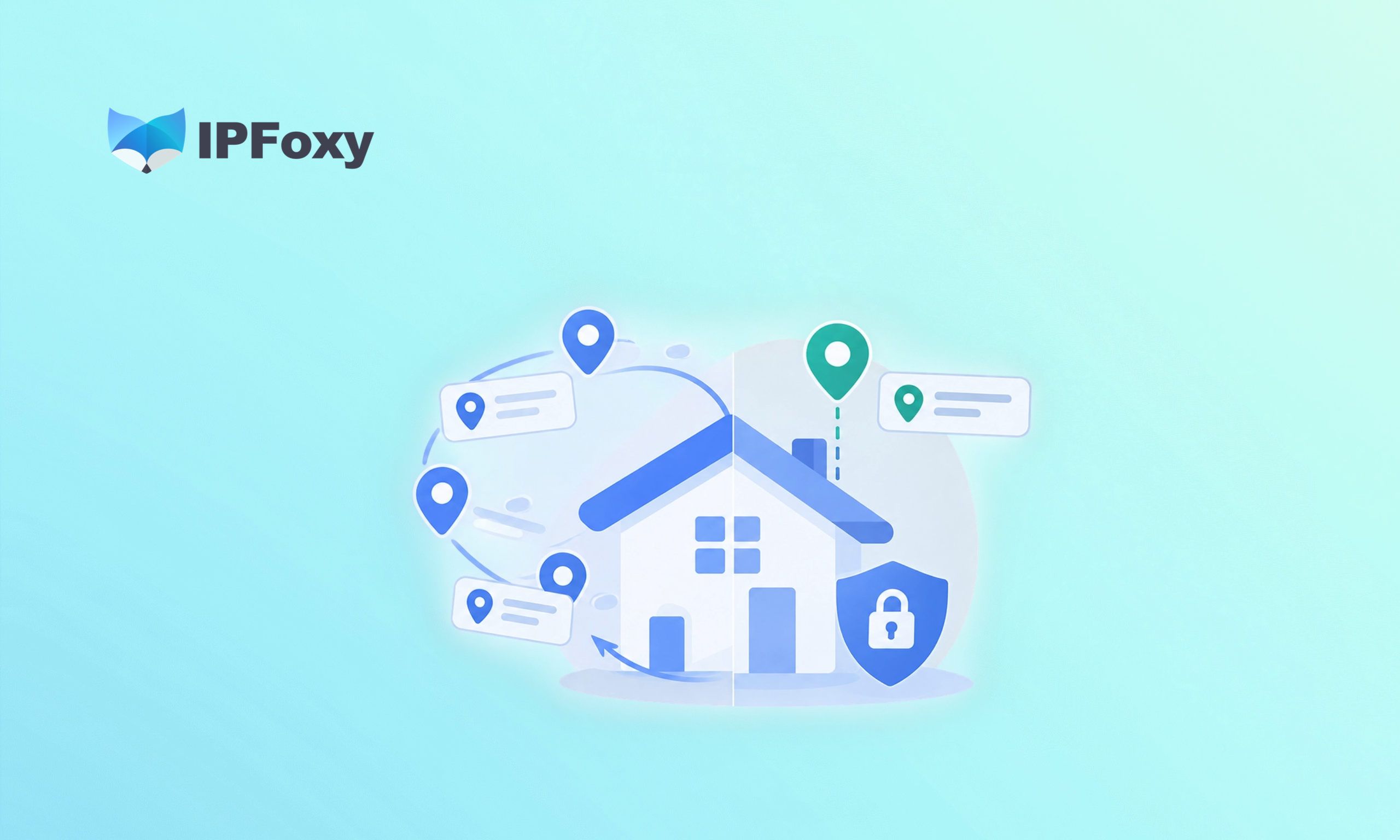
Static vs. Rotating Residential Proxy: A Complete Guide to Choosing the Right Proxy
This guide explains the key differences between dedicated static residential proxies and rotating residential proxies, including their stability, anonymity, platform trust, pricing, and use cases. It also covers how to choose the right proxy type for e-commerce, social media management, advertising, data collection, web scraping, and multi-location testing, helping businesses match proxy solutions to their…
-

What Is a Proxy Server? Working Principles, Use Cases & Myths
When a device accesses web services such as websites or APIs, requests are typically sent directly to the destination server. A proxy server acts as an intermediate node between the client and the destination server, forwarding requests on behalf of the client and returning the data. It not only alters the network outbound point but…
-

Mercari Japan Guide: How to Use Japan Proxy to Protect Account Safety
Many people consider Mercari Japan a top choice for second-hand trading platforms in Japan. Selling products on Mercari requires completing account registration, identity verification, and maintaining a stable network environment. Frequent IP changes or sharp login environment shifts can trigger security checks. This article guides you step-by-step through entry requirements, listing items, and setting up…
-

ISP Proxy vs. Datacenter Proxy: Top 6 Use Cases & Selection Guide
This guide compares the core differences between the two proxy types and covers 6 key business use cases to help you quickly decide which proxy best suits your business needs.
-
Best Proxy Pricing Model: Per-IP, Per-GB, or Unlimited?
This article analyzes how to choose the most cost-effective proxy from three perspectives: billing logic, business scenarios, and practical setup, helping you find the pricing plan that best fits your needs.